Lithium Extraction in Today’s Clean Energy Sector

In this article:
Lithium extraction is a critical part of the clean energy supply chain. As demand for electric vehicles, grid storage, and battery innovation continues to grow, so does the need for reliable and scalable extraction technology.
From our perspective, working with technology employers across Europe and the UK, we’re also seeing rising demand for engineers and scientists who understand the lithium extraction process and the systems around it.
In this guide, we explain how lithium recovery works, outline the main extraction methods used today, and look at how newer approaches are changing both the industry and specialist hiring demand.
What Is Lithium Extraction, And Why Is It Important?
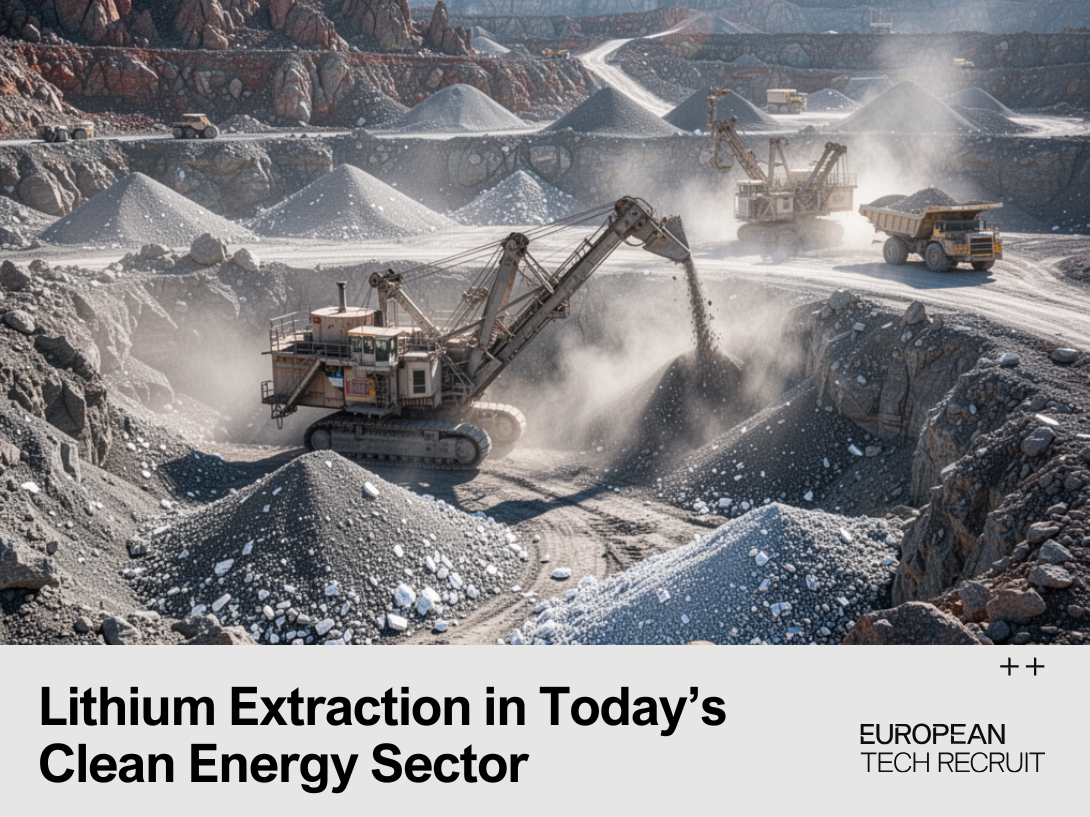
Lithium extraction refers to the set of industrial methods used to recover lithium from natural sources, such as underground brines and hard rock ores. The extracted lithium is then refined into compounds such as lithium carbonate or lithium hydroxide for battery production.
Demand has increased sharply in recent times, with developments and technologies such as these driving that increase:
- Electric vehicle manufacturing
- Renewable energy storage systems
- Advanced electronics and grid technologies
For employers building battery tech, materials, and clean energy platforms, the extraction process is no longer a niche topic – it directly affects supply chains, R&D priorities, and the need for specialist technical talent.
The Main Lithium Extraction Methods Used Today
The two dominant extraction methods used at a commercial scale today are:
- Brine-based recovery: Lithium is extracted from mineral-rich underground brines, typically using evaporation or newer direct extraction technologies.
- Hard rock mining: Lithium is produced by mining and processing lithium-bearing ores through plant-based refining.
Each mining process has different costs, speeds, environmental requirements, and technology requirements. These differences also shape the types of engineers and technical specialists companies need to hire.
How Brine Lithium Mining Works
The brine lithium mining process is widely used in salt flat regions where lithium-rich brine sits underground. In this extraction process, operators pump the brine to the surface and place it into large evaporation ponds.
Over time, natural evaporation increases lithium concentration before the chemical treatment and refining stages begin. The full lithium extraction process can take several months, depending on climate conditions and brine chemistry.
Compared with hard rock routes, this mining process usually uses less direct energy, but it introduces environmental and operational complexity around water usage and ecosystem balance. Because of that, many operators are investing in updated extraction technology to shorten processing time and improve recovery control.
From a hiring perspective, brine operations increasingly require specialists such as:
- Process engineers
- Water systems specialists
- Environmental modelling experts
- Automation and controls engineers
How Hard Rock Extraction Works
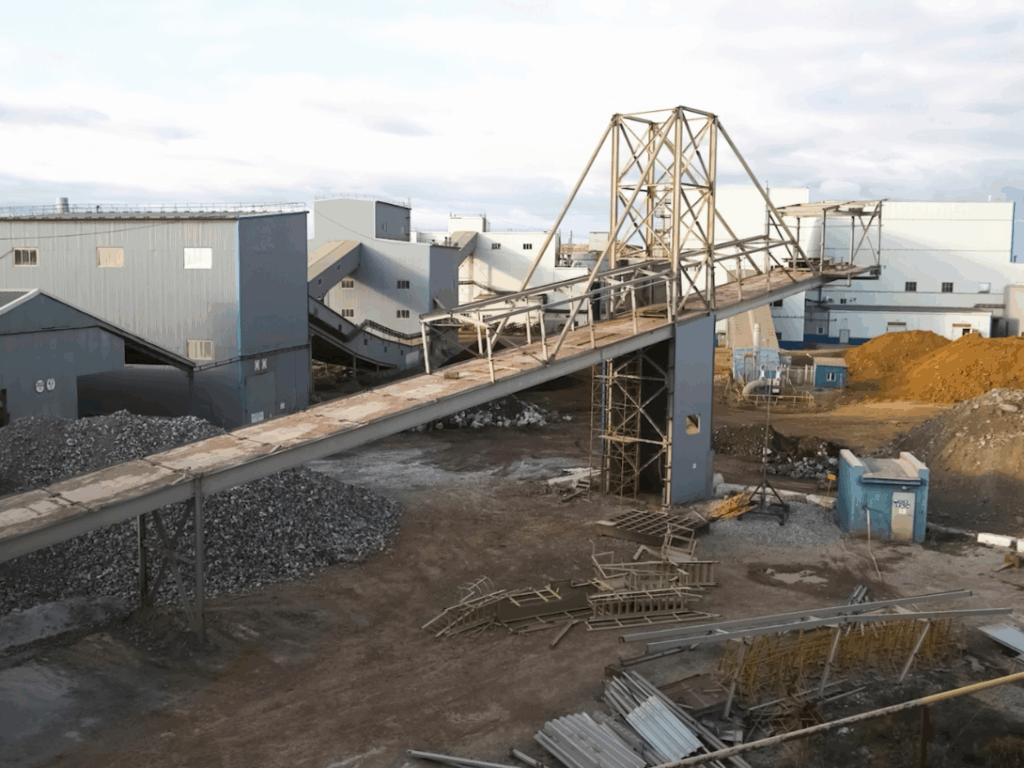
Hard rock extraction involves recovering lithium from mineral ores such as spodumene. In this extraction process, ore is mined, crushed, concentrated, and then heated. Once at a high enough temperature, the lithium can be chemically converted and refined into battery-grade compounds. Unlike brine operations, this approach depends heavily on plant infrastructure and controlled processing environments.
This extraction method can deliver high and consistent yields, but it is more energy-intensive and engineering-heavy. It relies on well-optimised processing plants and tightly managed production systems. As lithium extraction technology continues to develop, we’re seeing more overlap between traditional mining engineering and advanced process engineering disciplines.
From a hiring perspective, hard rock operations often need specialists in:
- Thermal and chemical processing
- Industrial optimisation
- Advanced materials handling
- Mining and plant automation systems
How Does Direct Lithium Extraction Work?
A major innovation area in lithium recovery is Direct Lithium Extraction (DLE). It is a newer approach that removes lithium from brine using selective filtration and chemical capture systems, instead of long evaporation cycles.
Rather than depending on large surface ponds and months of solar evaporation, DLE uses engineered separation methods to capture lithium more directly from the fluid source.
Depending on the project design, these systems may rely on ion-exchange media, adsorption materials, solvent-based separation, or membrane technologies. The goal is to separate lithium faster and with more operational control.
In many cases, this can reduce land use and water dependency compared with traditional evaporation-based extraction methods, although performance still varies based on local geology and brine chemistry.
As battery and lithium recovery technologies continue to advance, demand is growing for engineers and technical specialists in this space. Learn more about how we support hiring in this market.
Why Direct Lithium Extraction Technology Is Gaining Attention
Direct extraction technology is attracting strong investment because it aims to make the process more efficient and more sustainable. Instead of relying on long evaporation timelines and large surface areas, DLE systems are designed for faster, more controlled lithium recovery.
That makes them particularly attractive in regions where water use, land footprint, and permitting complexity are key constraints. Adoption is still project-dependent, but DLE is now one of the most active innovation areas across modern extraction methods.
As a result, we’re seeing growing demand for highly specialised talent in areas such as:
- Separation science
- Membrane engineering
- Electrochemistry
- Advanced process design
- Pilot plant scale-up
For technology employers, this shifts extraction from a purely mining-led activity to a cross-disciplinary technical hiring market.
Associated Environmental Factors And Concerns
Environmental impact remains one of the most discussed aspects of the lithium extraction process. The main pressure points are water consumption, land disruption, energy use, and chemical processing requirements. Each method carries a different environmental profile, which means project design and controls matter as much as the resource itself.
Brine operations can affect local water tables if not carefully managed, while hard rock projects generally have higher direct energy demands due to plant and thermal processing stages.
In response, newer extraction technology is focused on improving efficiency, increasing recycling loops, and strengthening plant design controls. This added technical complexity is one reason hiring demand is shifting toward senior specialists rather than more general engineering profiles and skillsets.
While recovering lithium from brines and ores has its own environmental concerns, because lithium plays such a key role in energy storage, hiring demand is also rising across the clean power market. See how we support specialist hiring in this space.
Specialist Career Demand Linked to Lithium Recovery
Growth across the lithium recovery process and battery technology is creating sustained demand for mid-to-senior technical professionals, including:
- Chemical and process engineers
- Materials scientists
- Electrochemistry specialists
- Automation and controls engineers
- Data and modelling experts
- Advanced manufacturing engineers
Many of the roles we work on in clean energy and advanced materials now sit at the intersection of extraction technology, battery innovation, and industrial scale-up. Permanent specialist roles in these areas typically take 1-2 months to fill, while contract technical hires are often placed within 4-6 weeks, depending on niche skill depth and location.
If you’re a specialist engineer or technical professional looking to work in battery, clean energy, or advanced materials projects, you can view our latest open roles here!
Why This Topic Matters for Technology Hiring Leaders
For CTOs, technical directors, and talent leaders, lithium recovery is no longer just a supply topic; it is a technology capability topic. The shift toward newer lithium extraction methods and advanced extraction technology is increasing the need for rare, high-impact technical skill sets.
We support technology companies across Europe and the UK in finding and retaining specialist talent in clean energy, advanced materials, battery systems, and process technology – particularly where roles are complex and hard to fill. So, if you’re in need of this kind of support, reach out to our team today!